My first impression upon arriving in Lima was immediate: this is a city built right against the sea.
As the plane descended, the grey-blue expanse of the Pacific Ocean spread out like a massive curtain at the city’s edge. The city itself stretched inland along the coastline, blending modernity with a deep sense of history. Unlike many South American cities, Lima lacks a single, dominant style; instead, it feels like a layering of different eras. Modern skyscrapers, colonial architecture, coastal parks, and historic plazas coexist harmoniously.
I stayed in a neighborhood near the coast, and the first thing I did each morning was stand by the window to gaze at the ocean. This intimate connection between the city and the sea filled me with anticipation for the sightseeing ahead.
Coastal Cliff Walkways: A Breathtaking First Impression
After arriving in Lima, the first place I visited was the famous coastal cliff area.
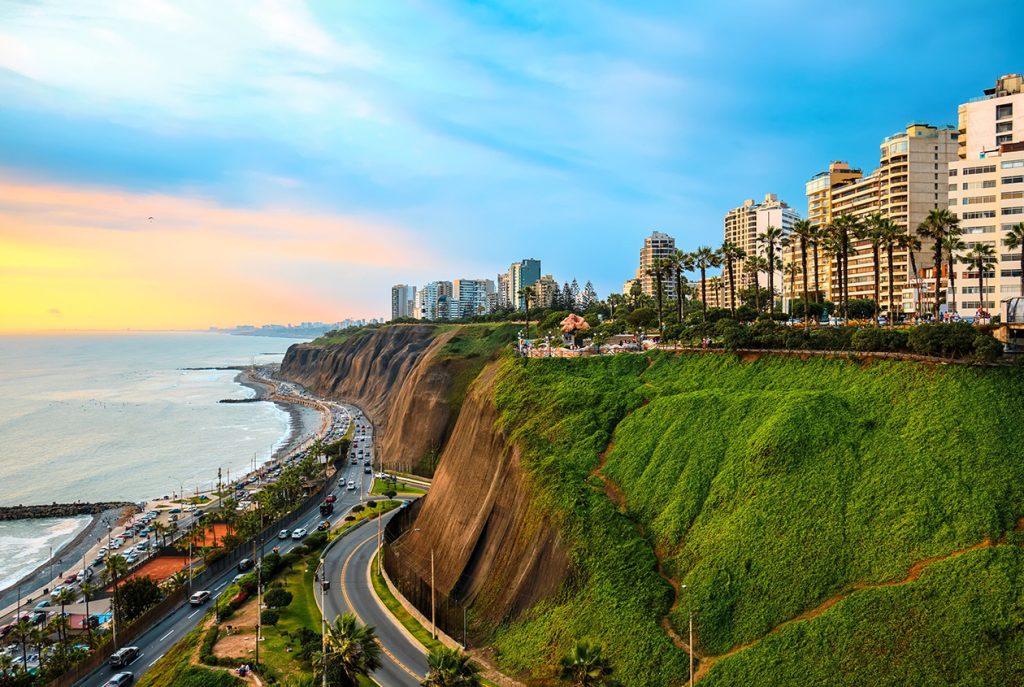
The highlight here is the network of urban parks and walkways stretching along the Pacific, with Parque del Amor (Park of Love) being the most iconic spot. I strolled slowly along the path; beneath my feet lay steep cliffs and waves crashing against the rocks, while overhead stretched an open sky.
The wind was strong, carrying the fresh, salty scent of the ocean.
What struck me most wasn’t any single attraction, but the overall sense of space—the way the city seemed to suddenly “break off,” giving way to the sea and the wind. In the park’s sculpture area, people paused to take photos, stroll, or simply daydream. I found a quiet corner to sit and watch surfers bobbing up and down in the distant waves.
In that moment, I realized that Lima is more than just a city; it is a vast viewing platform facing the Pacific.
Miraflores District: A Snapshot of Modern Lima Life
Venturing further into the city, I arrived in the Miraflores District. It is arguably one of Lima’s most modern areas and a perfect spot for tourists to explore.
High-rises, parks, shopping malls, and walkways intertwine here, yet the area remains remarkably neat and orderly.
I walked along the coastal promenade, known as the Malecón. This stretch of the journey was truly unique—flanked on one side by urban green spaces, parks, and residential areas, and on the other by cliffs dropping down to the boundless Pacific Ocean.
Along the way, I passed a paragliding launch site.
People would run along the cliff’s edge to build momentum before leaping into the air, slowly gliding over the sea on the wind currents. I stood there watching for a long time. The sense of freedom was palpable, and it gave me my first real understanding—from a dynamic perspective—of the city’s geographical advantages.
Here, urban life and the natural landscape are directly connected.
Barranco District: A Stroll Where Art and Old-World Charm Intertwine
If Miraflores represents modern Lima, then the Barranco District is the city’s “artistic soul.”
As I arrived in Barranco, I could feel the atmosphere shift. The streets were quieter, the buildings lower, and murals and graffiti began to appear in abundance on the walls. I had no set route and simply wandered at will; before long, I stumbled upon the famous “Bridge of Sighs” (Puente de los Suspiros).
Tucked away at the end of a small slope and surrounded by greenery, the bridge isn’t long, yet it possesses a truly special atmosphere. Locals say that if you can cross the bridge while holding your breath, your wish will come true. I gave it a half-joking try—and naturally failed—but the ritual added a delightful touch to the experience.
Beneath the bridge lies a quiet neighborhood dotted with small galleries, cafés, and art installations. Strolling here doesn’t feel like “sightseeing”; it feels more like stepping into a vibrant, ever-changing artistic community.
The Historic Center: Stepping into Lima’s Colonial Past
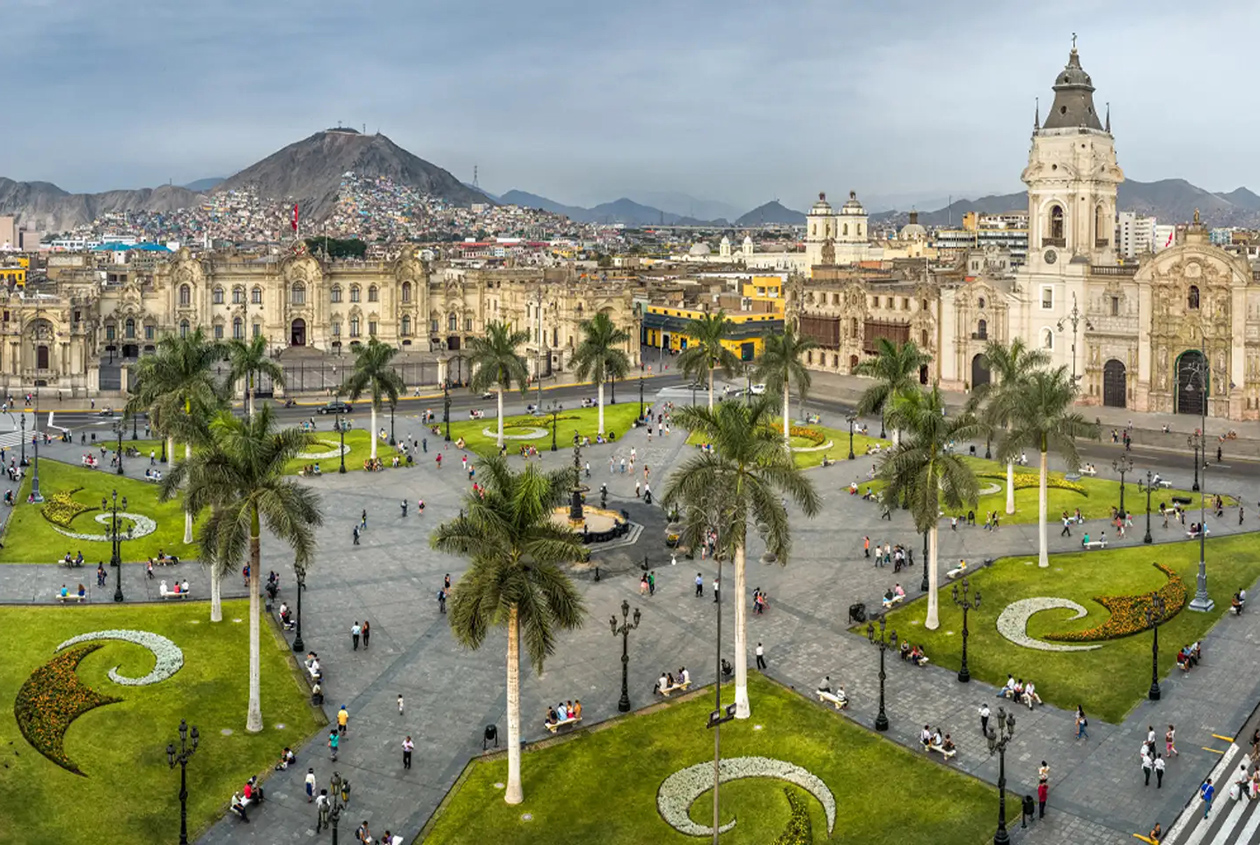
I dedicated a full day of my trip to Lima’s Historic Center, a UNESCO World Heritage site. Once inside, the city’s pace noticeably slowed.
At its heart lies the Plaza Mayor of Lima. Surrounded by government buildings, churches, and historic structures—all featuring a distinctive colonial palette of yellow and white—the square exudes a classic architectural style.
I stood in the center of the plaza for a long while, watching pigeons strut across the ground as tourists and locals moved about.
Not far away stood the Lima Cathedral, its exterior imposing and majestic. Stepping inside, the light softened beautifully. With its soaring vaulted ceilings, intricate wood carvings, and hushed atmosphere, the space instinctively compels you to slow your pace.
I didn’t rush to leave; instead, I sat on a bench for a while. The blend of historical gravitas and profound serenity found here offered an experience vastly different from the city’s modern districts.
San Isidro District: The City’s Quiet Side
In contrast to the bustling tourist hubs, I made a point of visiting the San Isidro District. Primarily a business and residential area, it boasts quiet streets and abundant greenery.
I strolled along tree-lined avenues, passing modern architecture and small parks. While there were no major “tourist attractions” per se, the area offered a glimpse into the everyday life of Lima. In a small park, I watched locals jogging, walking their dogs, and reading. Here, the city isn’t merely something to be “viewed”—it is a place to be lived in.
This sense of authenticity reminded me that travel is about more than just ticking off famous landmarks; it is also about observing how a city functions.
The Coast at Night: A Different Connection Between City and Sea
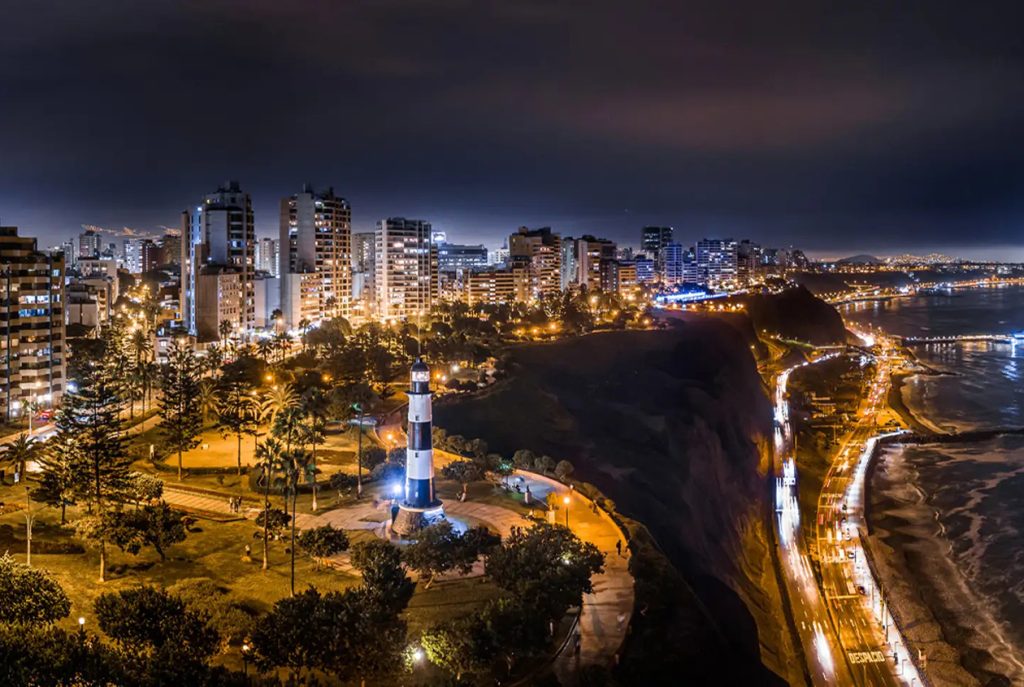
During my final few days, I returned to the coastal cliffs almost every evening. As night fell, Lima’s coastline transformed completely.
The blue waters of the day deepened into an inky black, while city lights flickered on one by one, stretching along the cliffs like a ribbon of light. The city skyline loomed in the distance, accompanied by the sound of crashing waves. I would often sit on a bench, lost in thought—with no itinerary and no specific destination—simply watching the boundary between the sea and the city gradually blur.
Moments like these made me realize that Lima’s charm lies not just in its “visible attractions,” but in its profound relationship with the ocean.
A City Map Unfolding Along the Sea
Reflecting on my sightseeing tour as I prepared to leave Lima, I realized it hadn’t been a one-dimensional experience.
The coastal cliffs provided a stunning first impression; Miraflores gave me a taste of the modern pace of life; Barranco revealed an artistic spirit; the Historic Center offered a window into the city’s past; and San Isidro rounded out the picture with its everyday atmosphere. Together, these districts formed a complete portrait of Lima.
It is not a city defined by isolated landmarks, but rather a spatial map that unfolds and expands endlessly.