I did quite a bit of research before heading to Lima. Compared to many other city trips, Lima felt a bit more complex to pack for—it features a coastal climate, varied urban terrain, and noticeable differences in temperature and wind strength between neighborhoods.
So, instead of just throwing things into my suitcase as I usually might, I prepared my gear around three key concepts: coastal winds, urban walking, and layering. This approach proved crucial and directly impacted my comfort throughout the trip.
Category 1: Clothing System—Handling Lima’s Variable Coastal Weather
Lima’s climate is more “nuanced” than I expected. Days might start sunny, but the sea breeze can bring a sudden chill—especially along the cliffside coastal areas like the Miraflores District.
My core clothing items:
First, a lightweight windbreaker was essential. I ended up wearing it almost every day. The wind is particularly strong along the coastal walkways; wearing just a short-sleeved shirt would have been uncomfortable.
Second, a mix of T-shirts and lightweight long-sleeved tops for layering. I used the “onion-style” layering method, allowing me to adjust easily. I wore short sleeves when the sun was strong during the day, but added a long-sleeved layer when walking in shaded streets or as evening approached.
Third, a pair of comfortable long trousers and a pair of lightweight shorts. The trousers were for city walking and evenings out, while the shorts were perfect for daytime activities by the sea.
Category 2: Footwear—The Key to How Far You Can Explore
The biggest takeaway from this trip was that, in Lima, your choice of shoes matters more than your choice of clothes. The city isn’t flat; it’s defined by slopes, coastal terrain, and pedestrian walkways. The Barranco District, for instance, has hills on almost every street.
My choices:
I brought a pair of lightweight sneakers and a pair of casual, non-slip shoes. The sneakers were for long walks, such as exploring the historic city center and coastal paths.
The casual shoes were for short outings or dining out. Experience has shown that if you bring only one pair of shoes, foot fatigue sets in easily after two or three consecutive days of walking.
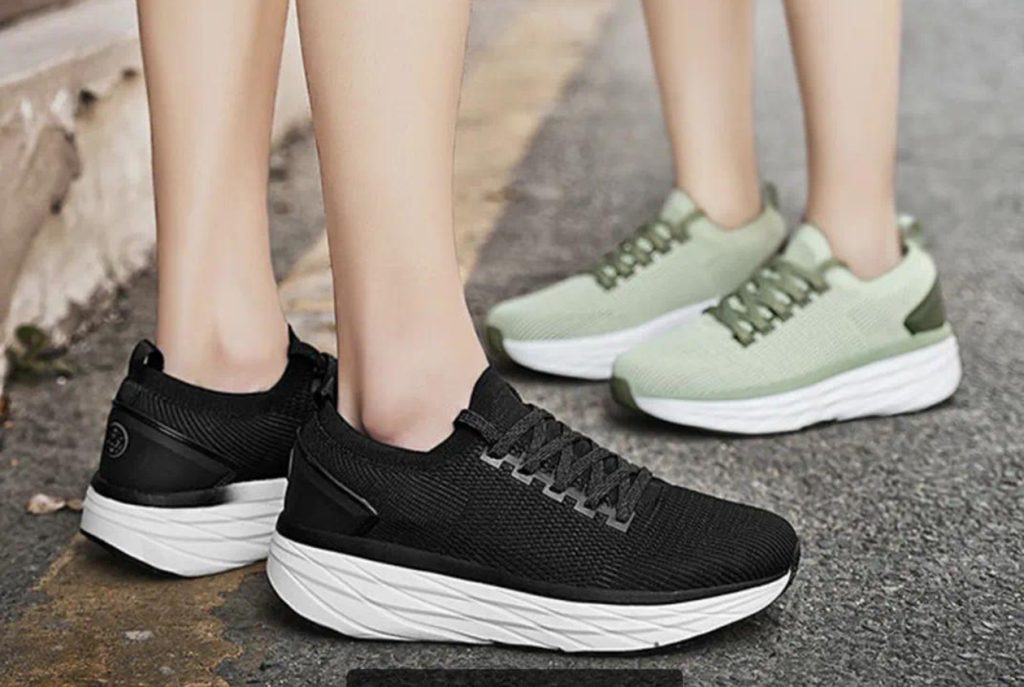
One day, I walked nearly 20,000 steps along the coastal promenade; that evening, my shoes were practically what “saved” me.
Category 3 Equipment: Backpack System—Determining the Efficiency of Your Journey
While traveling in Lima, I primarily used a lightweight 20–25L urban backpack. This capacity was just right—neither too large and bulky nor too small to hold my daily essentials.
Items I carried every day:
- Water bottle (crucial; the coastal breeze makes dehydration a risk)
- Sunscreen (UV rays in Lima are stronger than you might expect)
- Sunglasses (especially for the coastal cliff areas)
- Power bank (taking photos and using navigation drains battery quickly)
- Lightweight jacket (to handle shifting wind conditions)
- Camera or smartphone stabilizer (for capturing coastal and city scenery)
In practice, I found myself using this “standard kit” almost every day. Extended outdoor activities—particularly around Parque del Amor and the coastal promenade—relied heavily on these basics.
Category 4 Equipment: Electronic Devices—Tools for Recording Urban Structures
Lima is a city with immense visual impact. From the cliffside coast and historic plazas to street graffiti, it offers fantastic photo opportunities. Consequently, I selected my electronics with a focus on portability and versatility across different shooting scenarios.
My setup:
- Primary smartphone (for quick photos and navigation)
- Lightweight camera (for high-quality landscape shots)
- Compact tripod (for night shots and time-lapses)
- Backup charger
Lighting conditions shift rapidly in Lima’s Historic Centre; if your gear isn’t responsive, you can easily miss the perfect shot. I once waited for the sunset light to change at the Plaza Mayor, and the stability provided by my tripod proved invaluable in that moment.
Category 5 Equipment: Protective Gear—often overlooked by many, yet crucial
If clothing and footwear determine your comfort, protective gear determines your peace of mind while exploring.
I focused on three key items:
- Sunscreen (High SPF)
Although Lima doesn’t have a scorching tropical climate, UV reflection off the coast is intense. After spending a full day walking along the cliffside paths, I really appreciated the importance of sun protection. - Sunglasses
Light reflection is particularly intense in coastal areas; without sunglasses, the glare can be blinding. - Lightweight raincoat/windbreaker
While Lima’s weather isn’t extreme, coastal winds can pick up suddenly.
I experienced a sudden surge in wind strength while taking an evening stroll in the Miraflores District.
Category 6: Travel Essentials—Small Details That Boost Comfort
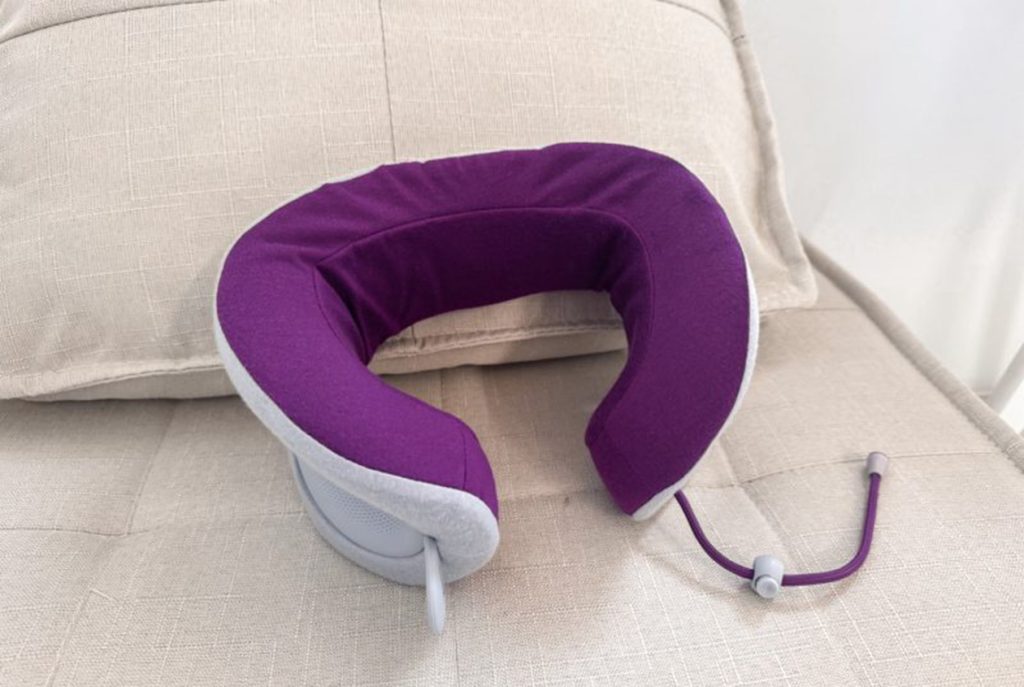
Beyond the basics, a few “small items” play a crucial role in the travel experience.
My carry-on checklist:
- Earplugs (for long-haul flights and hotel noise)
- Neck pillow (essential for long flights)
- Wet wipes (very handy for city exploration)
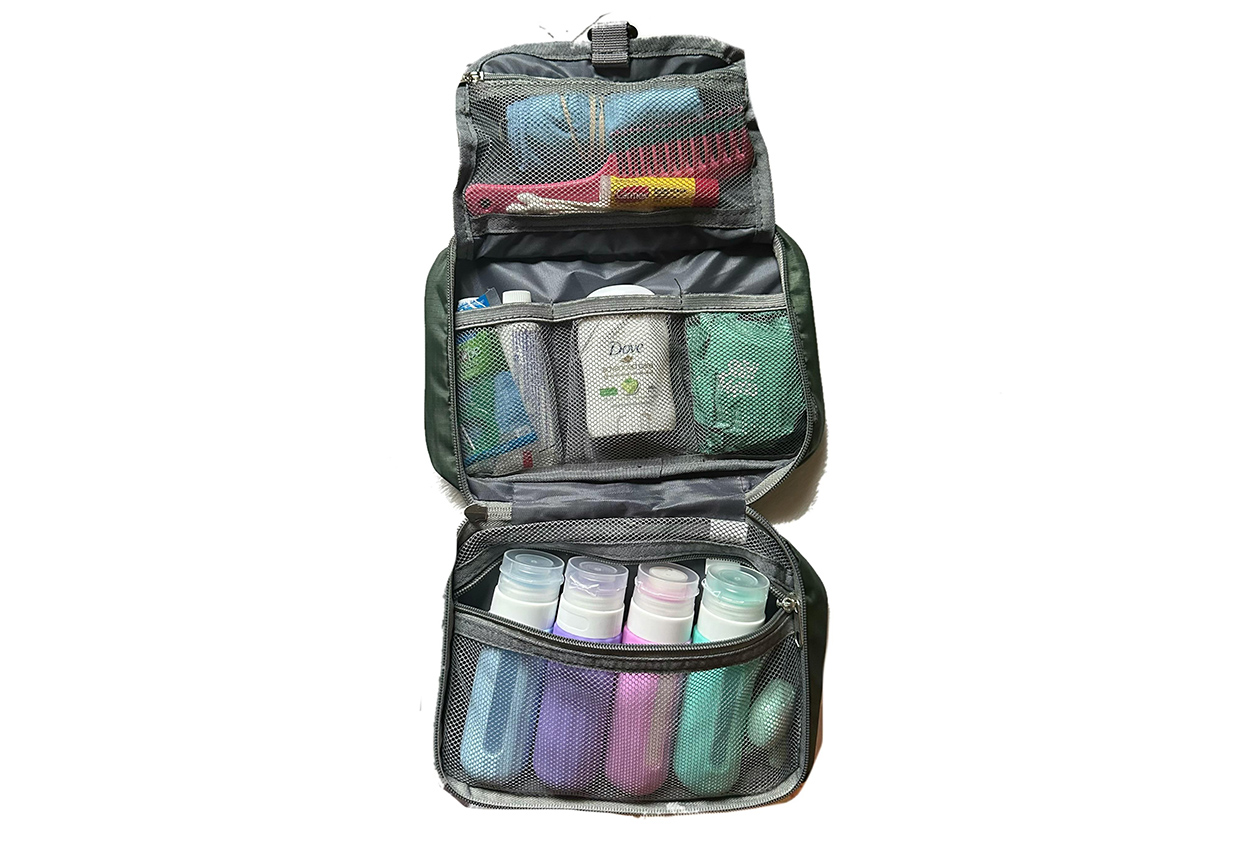
- Compact toiletry kit
- Foldable shopping bag (for picking up extra items)
These items may seem insignificant, but they noticeably enhance comfort after a few days of continuous travel. They make the process much smoother, especially when moving between cities or switching hotels.
Gear Determines the Quality of Your Trip
Looking back at my time in Lima, I’ve come to realize a key fact: half of the travel experience depends on how well you’ve prepared your gear.
Lima isn’t a city with a “single climate”; its complexity stems from:
- Coastal winds
- Hilly urban terrain
- Walking in historic districts
- Microclimate variations across different neighborhoods
These factors mean you need a “flexible gear system” rather than just a simple packing list.