When I first arrived in Lima, I expected to be captivated by the coastal scenery, but the reality was quite the opposite—it was the city’s flavors that truly hooked me first.
As the plane descended, the grey-blue coastline of the Pacific unfurled outside the window, with the city stretching along the shore. The landscape made it immediately clear: the local culinary culture was inextricably linked to the ocean.
In fact, Lima is not just the capital of Peru; it is globally recognized as a major gastronomic hub. Even before leaving the airport, I had already mentally listed the dishes I wanted to try: ceviche, seafood specialties, fusion cuisine, and traditional local stews.
For this trip, I decided to get to know Lima through its food.
A Stunning First Meal: The Impact of the First Bite of Ceviche
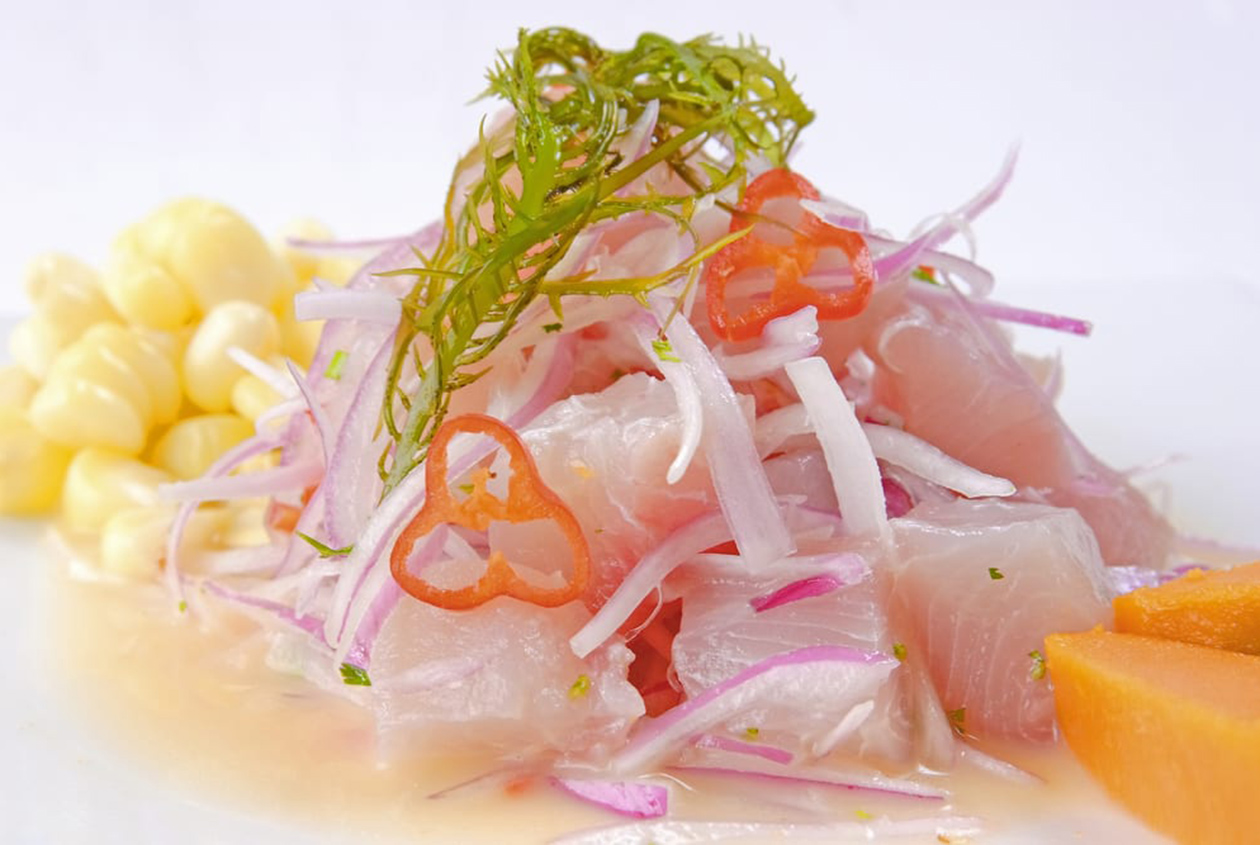
For my first meal after arriving, I didn’t hesitate to choose Peru’s most iconic dish: ceviche.
I sat down at a seaside restaurant without high expectations, intending merely to “check the box” of trying it. But the moment the dish arrived, my perspective shifted completely. The white fish, gently “cooked” by fresh lime juice, was paired with red onion, cilantro, corn, and sweet potato—a visually clean and vibrant composition. The first bite was an experience that defied a simple description like “delicious.” The acidity was direct yet smooth, never harsh; the fish was incredibly tender with no trace of a fishy odor; and the overall sensation was as refreshing as the sea breeze.
In that instant, I understood why Lima is hailed as a world-class culinary city. Its greatness lies not in complexity, but in precision.
A World-Class Dining Experience: A Culinary Narrative of Peru
In Lima, sticking solely to traditional dishes isn’t enough. On my second day, I secured a reservation at Central, a restaurant consistently ranked among the best in the world.
Stepping inside, I immediately sensed that this was no ordinary restaurant. The minimalist design was infused with natural elements, seemingly highlighting Peru’s vast geographical diversity—from the ocean to the highlands, and from the rainforest to the desert. The meal felt less like dinner and more like an immersive exhibition. Each dish corresponded to a specific altitude or ecological zone. From marine life and highland flora to ingredients from the Amazon, the entire geography of Peru was distilled into a single dining experience. One dish, in particular, left a lasting impression: a combination of deep-sea shellfish and botanical extracts.
The flavor profile was incredibly complex yet distinctively layered. I could sense that the chef wasn’t merely preparing “food,” but rather articulating the essence of the Peruvian landscape. The meal was a lengthy affair, yet I felt no fatigue; instead, each course felt like stepping into a new chapter.
As I left the restaurant, I felt a sense of daze—it hadn’t just been a meal; it had been a journey.
Street Food: The City’s Most Authentic Flavors
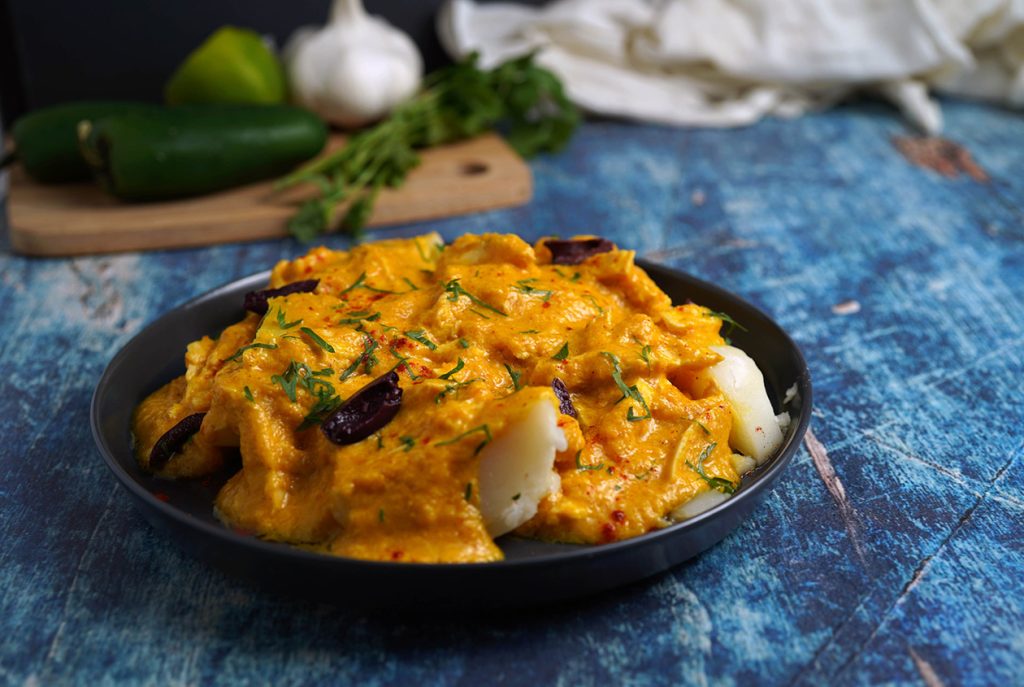
If high-end restaurants represent the “ultimate” side of Lima, then the streets and markets represent its “authenticity.” I wandered into a local eatery on a small street in the Miraflores District. The setting was simple—even modest—yet the place was packed with locals.
I ordered a traditional Peruvian chicken stew, Ají de Gallina. It arrived bathed in a rich, yellow sauce, accompanied by rice and potatoes. The flavor was worlds apart from what one finds in fine-dining establishments; it was heartier, more comforting, and possessed a distinctly home-cooked quality.
In that moment, I realized that Lima’s culinary scene isn’t stratified by class but defined by “parallel existence.” High-end cuisine and everyday fare coexist to create the city’s complete flavor profile.
Seafood Markets and Street Stalls: Another Side of the Palate
One morning in Lima, I made a point of visiting a local market. What captivated me most wasn’t the orderly arrangement of stalls, but the vibrant, bustling atmosphere of daily life. Fishmongers, fruit vendors, snack stalls, and artisanal drink stands mingled together, filling the air with a blend of briny sea scents, fruity aromas, and the fragrance of spices.
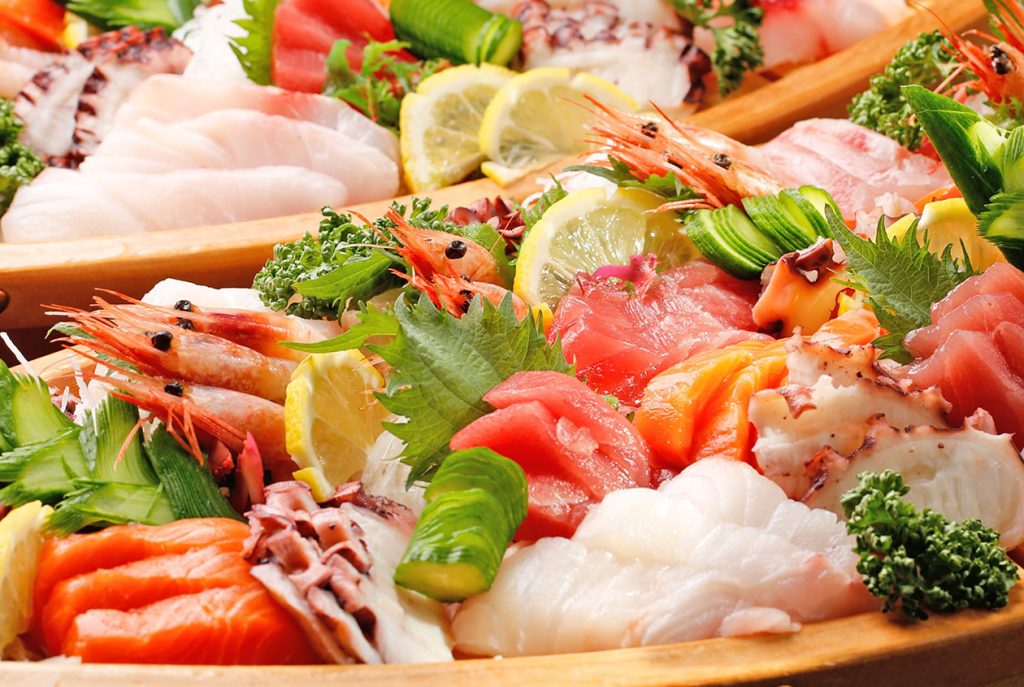
I bought a freshly prepared seafood platter. Sitting on a plastic chair to eat it, I felt no sense of being a “tourist”; instead, I felt as though I had seamlessly blended into the locals’ daily routine. People chatted nearby, vendors called out their wares, and children darted through the crowd.
Here, food is not a formal ritual, but an integral part of life itself.
Desserts and Coffee: A Gentle Finale
Beyond the main courses, Lima’s desserts and coffee also left a deep impression on me. At a small café in the Barranco District, I ordered a local dessert and a pour-over coffee. The dessert had a delicate texture, with distinct notes of milk and caramel. The coffee was mellow—neither bitter nor heavy—serving more as a relaxing ritual suited to the city’s pace.
Sitting by the window, I gazed out at the graffiti-covered walls and the unhurried streets. In that moment, I realized that Lima is not just a city where one eats well, but a city that knows how to slow down.
Evening Dining: The City’s Flavor Amidst Sea Breezes and Lights
That evening, I returned to the coastal area and found a restaurant perched on the cliffs. At night, the Pacific Ocean turned a deep black, while the city lights began to twinkle one by one.
I ordered a fusion seafood dish. Although the preparation was complex, the overall style centered on a single theme: the ocean. As the food was served, a sea breeze drifted in through the window.
It was a magical sensation—you were tasting not just the food, but the very essence of the city. The sound of the waves, the lights, and the flavors on the plate all seemed to merge into one.
A City That Tells Stories Through Flavor
As I left Lima, I reflected on my experiences at the airport. What Lima left me with wasn’t a specific tourist attraction, but a lingering memory of flavors.
It is more than just a city; it is a constantly unfolding landscape of taste.
If I have the chance to return, I likely won’t plan an itinerary based on sightseeing spots; instead, I’ll simply let myself wander and eat as the mood strikes. After all, in Lima, gastronomy isn’t merely an add-on experience—it is the most direct way to truly get to know the city.