First Impressions of Medellín: A City That Invites You to Slow Down and Savor the Food
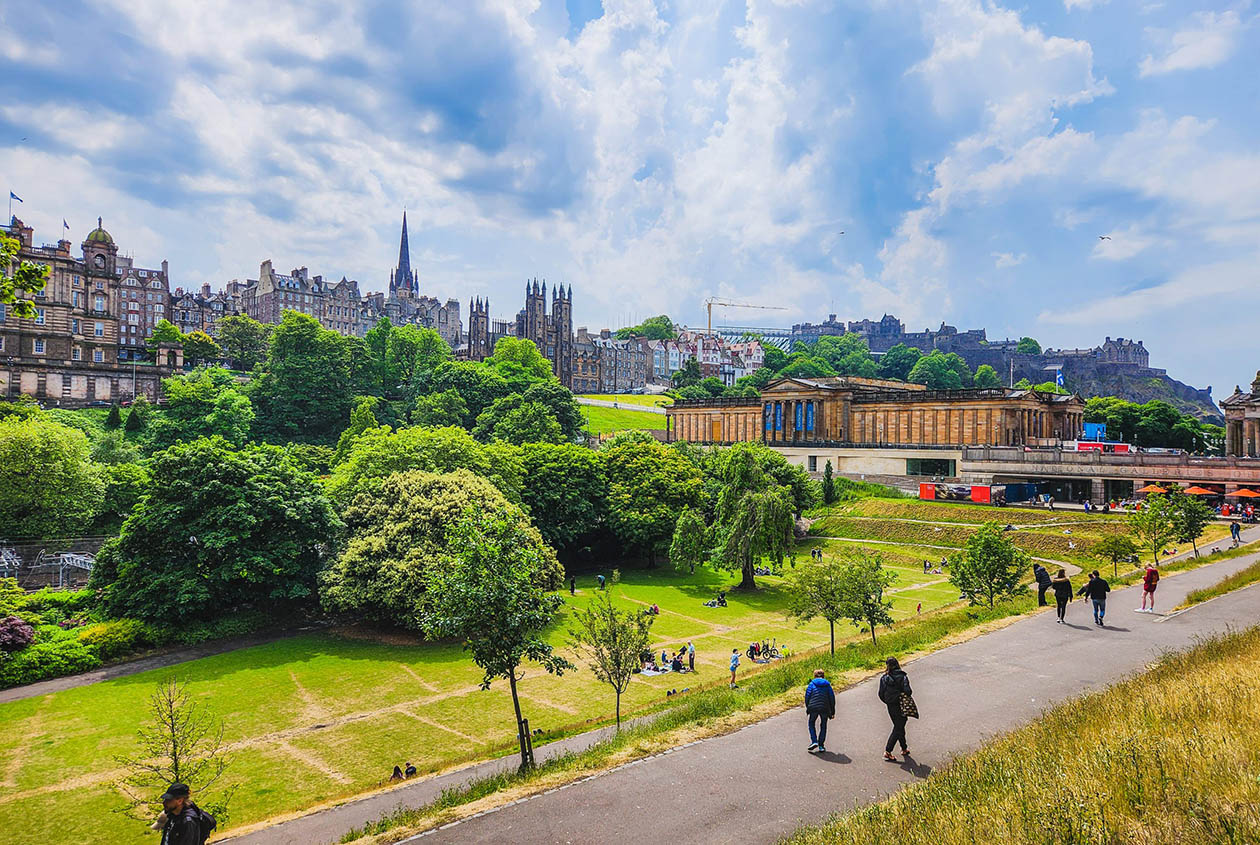
Upon arriving in Medellín, what struck me most wasn’t the pleasant climate or the layered cityscape nestled in the valley, but the city’s genuine love for life.
Known as the “City of Eternal Spring,” Medellín enjoys warm, comfortable weather year-round—free from extreme cold or unbearable heat. This climate seems to have shaped the local lifestyle: people love chatting at sidewalk cafés, picking out fresh fruit at markets, and leisurely enjoying meals in restaurants rather than rushing through them.
I’ve always believed that the quickest way to understand a city is through its food. Consequently, I spent almost all my time in Medellín seeking out local specialties. From traditional home-style cooking and street snacks to market fruits and modern, innovative restaurants, every meal became a way to get to know the city better.
My First Colombian Breakfast: A Feast Beyond Expectation
On my first morning in Medellín, I found a local breakfast spot near my hotel.
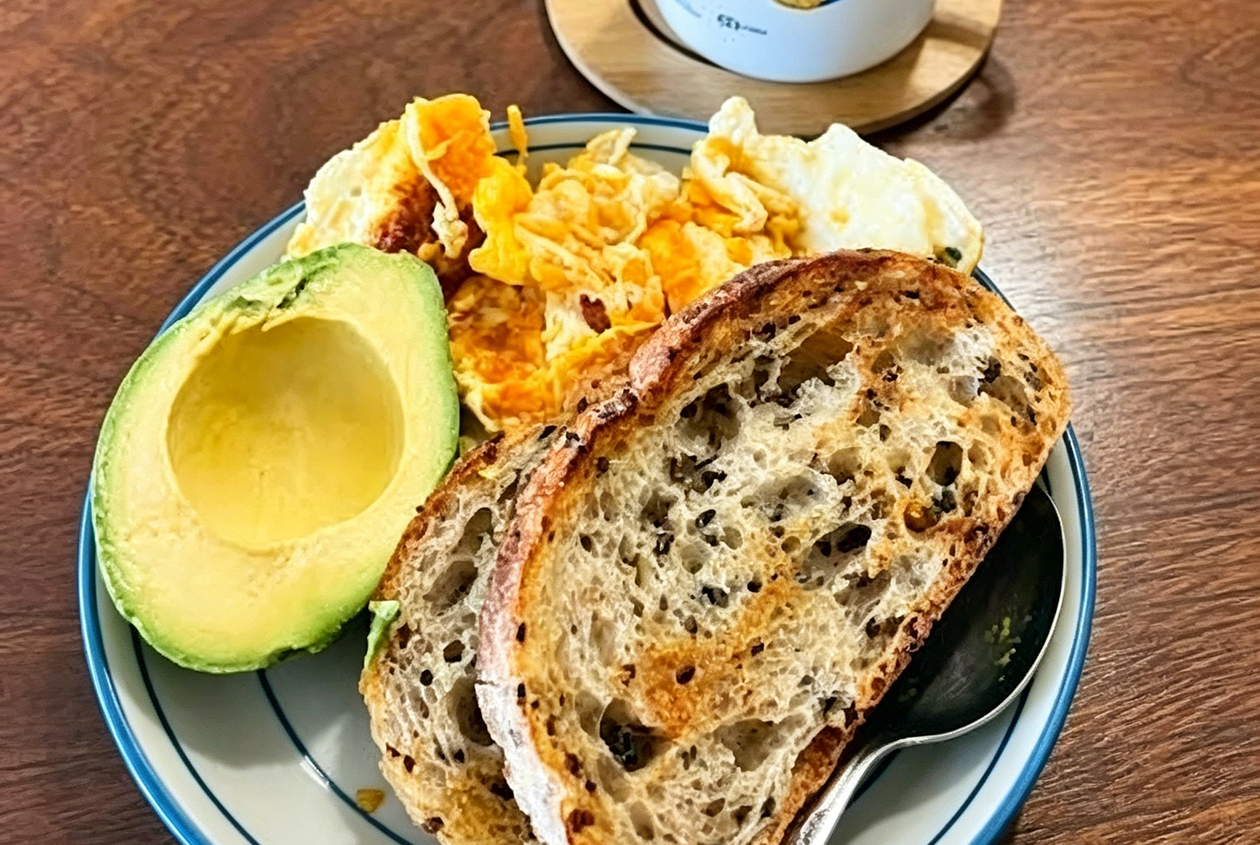
I had expected a simple meal of bread and coffee, but I was astonished when the breakfast arrived. The plate was piled high with scrambled eggs, corn cakes (arepas), cheese, avocado, and local beans—all accompanied by a steaming cup of coffee.
At the heart of this meal was the authentic flavor of the Antioquia region. While each ingredient was simple and unpretentious, the combination was incredibly satisfying.
Sitting by the window, I savored my breakfast while watching the street come to life. That sense of leisure instantly put me in the travel mindset. Unlike the fast-paced breakfast culture of many major cities, Medellín seemed to be telling me: “No rush—take your time starting the day.”
Tasting Bandeja Paisa: Colombia’s Most Iconic Dish
When visiting Medellín, there is one dish that almost every local recommends: the famous Bandeja Paisa.
One afternoon, I made a special trip to a traditional restaurant to try this classic dish. When the waiter brought out the platter, I wondered if I had accidentally ordered a meal for two. The massive plate was piled high with rice, red beans, beef, sausage, crispy pork skin, a fried egg, avocado, and corn cakes. It was a colorful masterpiece, looking just like a painting.
With the very first bite, I understood why this dish is a symbol of Colombian culinary culture. It doesn’t aim for refinement; instead, it celebrates abundance and satisfaction. Every ingredient stands out on its own. The pairing of crispy pork skin and tender, creamy red beans, in particular, created a wonderful interplay of textures. Although the portion was enormous, I managed to finish most of it.
By the time I left the restaurant, I felt I needed a leisurely stroll just to digest the meal.
Exploring Street Food: Surprises Around the Corner
I’ve always felt that street food captures a city’s soul better than formal restaurants do. During my time in Medellín, I often wandered aimlessly through various neighborhoods.
I frequently stumbled upon interesting food stalls, especially around El Poblado and Comuna 13. What impressed me most were the local arepas (corn cakes). They may look simple, but there are countless ways to prepare them—some filled with cheese, others with meat, and some served in their most authentic, plain form.
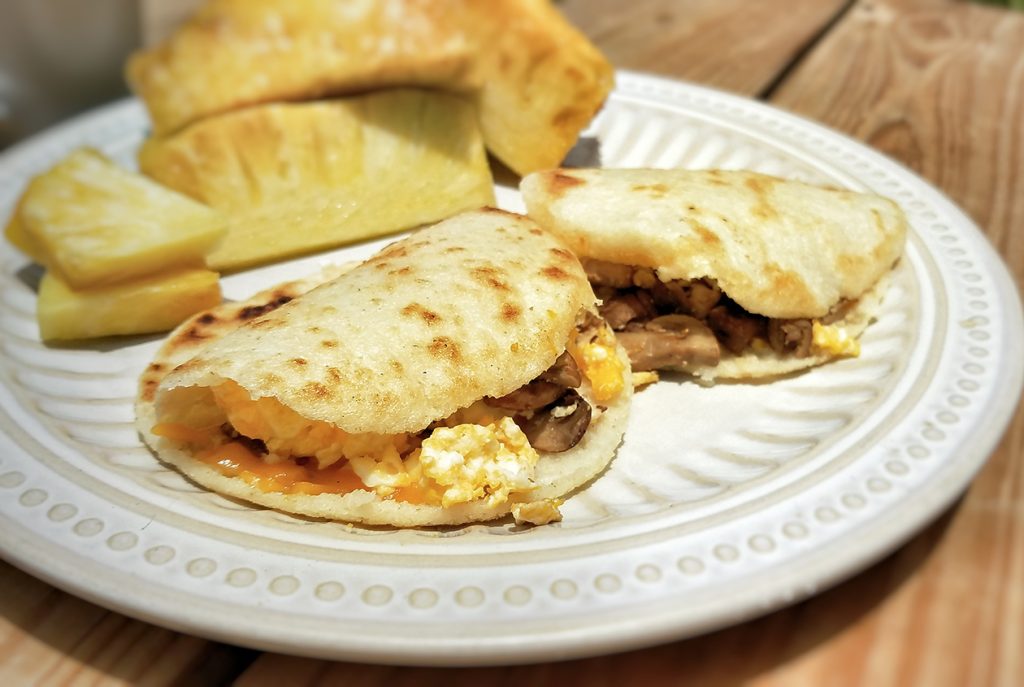
My personal favorite was the cheese arepa fresh off the griddle: slightly crispy and charred on the outside, yet soft and warm on the inside. Paired with a cup of local coffee, it made for a truly satisfying meal.
I remember one time sitting on the steps by the roadside, eating an arepa while watching a street performer play music nearby. People around me were chatting and enjoying the afternoon. That relaxed, carefree atmosphere made the food taste even better.
A Fruit Lover’s Paradise in the Market
If there was one culinary experience in Medellín that truly delighted me, it was the fruit.
I made a special trip to the local market, which felt like a tropical fruit expo. Stalls were overflowing with vibrantly colored fruits—many of which I was seeing for the very first time. The vendors enthusiastically invited me to sample their wares. I tasted sweet, juicy mangoes, passion fruit with the perfect balance of tartness and sweetness, and a variety of local fruits whose names I didn’t even know.
What I’ll remember most, however, is the freshly blended fruit juice—no complex additives, just the pure, unadulterated flavor of the fruit itself. A large glass of fruit juice—inexpensive yet boasting an incredibly rich, natural aroma. Sitting in a corner of the market sipping that juice, I felt as though I was experiencing the most authentic side of life in Colombia.
Coffee Moments: A Treat from the World’s Coffee Kingdom
One cannot speak of Colombia without mentioning coffee. While the most famous coffee-growing regions are nestled in the mountains, excellent cafés can be found all over Medellín.
I made it a habit to visit a different café almost every day. On one occasion, I spent an entire afternoon at a specialty coffee shop tucked away in a quiet alley.
The barista took the time to explain the unique characteristics of beans from various regions. Every step—from grinding to brewing—felt like a ritual. Upon taking that first sip, I immediately noticed the difference compared to ordinary coffee; the flavor was clean and complex, with subtle fruity undertones.
Sunlight filtered through the leaves outside, casting a warm glow into the shop. I sat there reading my travel notes, letting hours slip by unnoticed. This unhurried coffee culture became one of my most cherished memories of Medellín.
Modern Dining: A Fusion of Tradition and Innovation
Beyond traditional cuisine, Medellín has recently seen the rise of many modern, innovative restaurants.
One evening, I booked a table at a fusion restaurant. The setting was stylish yet minimalist, and the menu blended traditional Colombian ingredients with modern culinary techniques. A standard beef dish had been reimagined to offer a striking visual presentation, all while retaining its authentic local flavor.
This innovation was not a rejection of tradition, but rather a new form of expression. I found that Medellín mirrors this approach in its own development—honoring the past while boldly embracing the future.
Evening Delights and City Lights
During the final days of my trip, I enjoyed seeking out new restaurants in the evening. Medellín’s nightlife is vibrant yet unpretentious. Many restaurants offer open-air seating; as the night breeze gently blew, the lights on the distant hillsides dotted the valley like a starry sky.
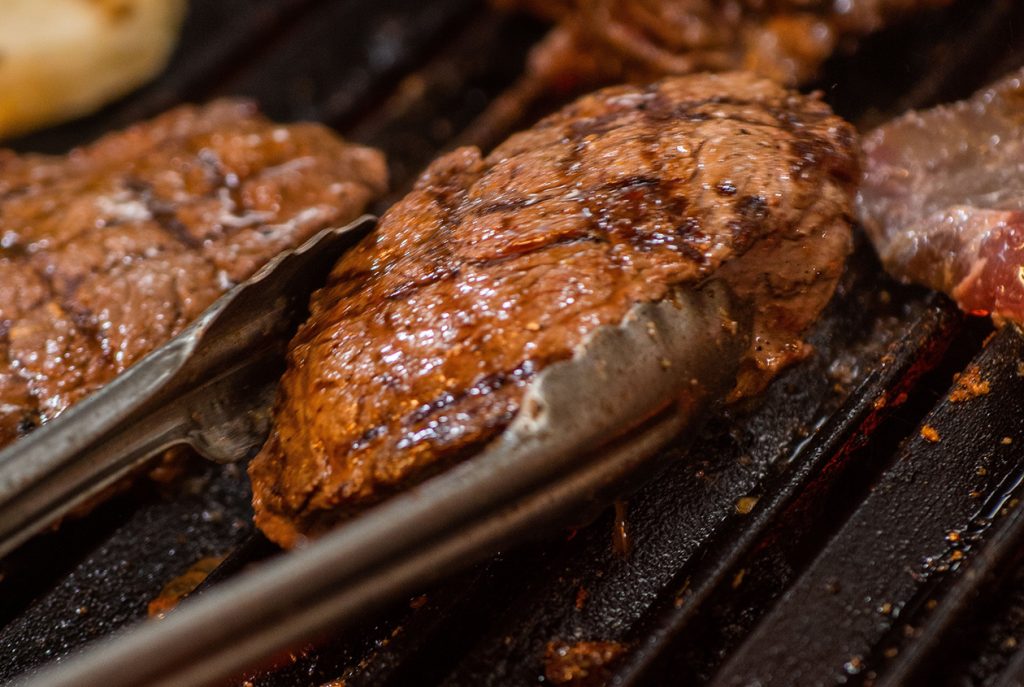
I ordered a plate of local grilled meat and a glass of fruit juice. Around me, groups of friends, families, and couples on dates were enjoying their meals. No one was in a rush to leave; everyone was simply savoring the evening.
I particularly loved this sense of ease. Here, dining is about more than just satisfying hunger—it is a form of socializing and an attitude toward life.
A City That Infuses Life into Its Food
As I left Medellín, I realized I missed more than just specific flavors.
I missed the unhurried mornings in breakfast spots, the market vendors warmly offering fruit, the aroma of corn cakes wafting from street stalls, and the leisurely afternoons spent in cafés.
Medellín’s cuisine makes no deliberate attempt at ostentation.
Instead, it embodies an atmosphere of authenticity, warmth, and a genuine sense of life.
From the hearty Bandeja Paisa to street-side corn cakes, and from tropical fruits to world-renowned Colombian coffee, every dish—much like the city itself—is brimming with vitality.