First Impressions of Medellín: A City Unlike What I Imagined
Before arriving in Medellín, my knowledge of the city came primarily from documentaries and news reports.
Years ago, it was known worldwide for its complex history. Yet, as my plane slowly descended amidst the Andes, what I saw was a modern, green, and vibrant city.
Viewed from above, the city sits within a broad valley, encircled by rolling mountains. Red-tiled roofs, modern high-rises, and vast green spaces interweave to create a unique urban landscape.
Stepping out of the airport, I immediately understood why it is called the “City of Eternal Spring.” There was no biting cold nor unbearable heat; the warm, comfortable air made me relax instantly. This year-round spring-like climate is one of Medellín’s most charming features.
Strolling Through El Poblado: A First Taste of Modern Medellín
I stayed in the famous El Poblado district, considered one of Medellín’s most modern and cosmopolitan neighborhoods.
With its wide, tidy streets, abundance of cafés, modern shopping malls, and architecturally striking buildings, I sometimes forgot I was in South America.
Every morning, I enjoyed taking leisurely walks through the neighborhood. Tall tropical plants lined the roads; sunlight filtered through the leaves to dapple the ground, and the air carried a faint floral scent. Locals sat at street-side cafés, chatting or working. The entire community exuded a relaxed, creative atmosphere.
I found the pace of life here different from that of many major international metropolises. There was no sense of frantic haste; people seemed to know how to truly enjoy life. This unhurried vibe made me fall in love with the city quickly.
Experiencing the Metro System: A Symbol of Urban Transformation
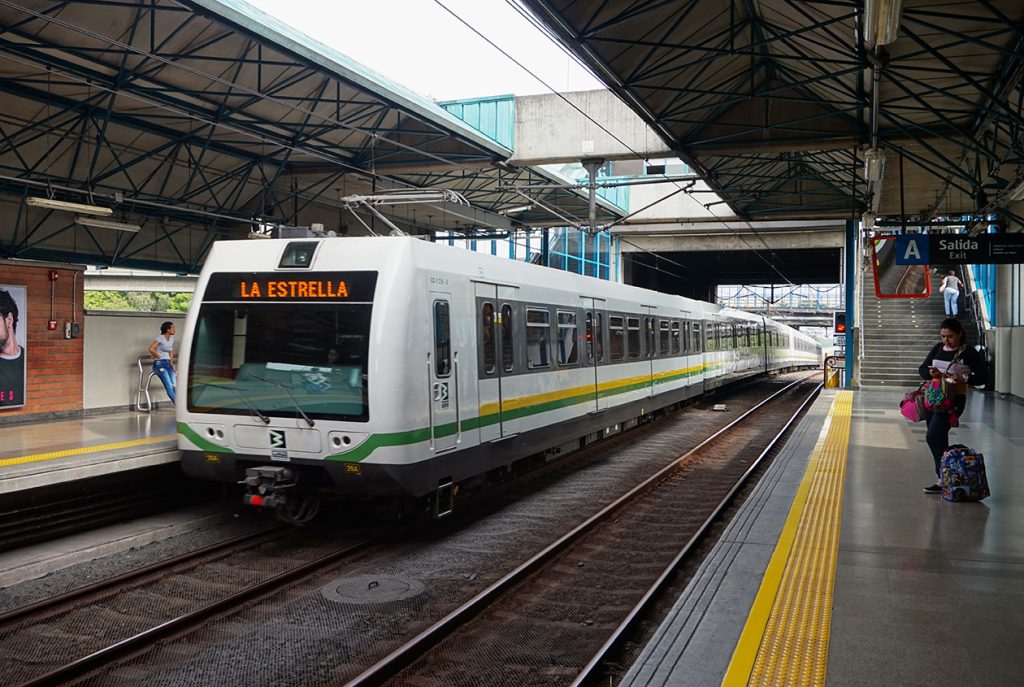
During my time in Medellín, I used local public transport almost every day—especially the famous Medellín Metro.
It was Colombia’s first metro system and remains one of the urban projects local residents are most proud of. My first impression upon entering a station was how immaculate it was; the platforms were clean and orderly, and the trains ran right on schedule. There was hardly any trash to be seen in the train cars.
The locals’ care for the metro system is impressive. Many residents told me that the metro is not merely a mode of transport; it symbolizes the city’s transformation and progress. Whenever the train passed through the urban area, I would gaze out the window at the streetscape. Modern architecture and hillside communities appeared in the same field of view. This striking contrast helped me gradually understand Medellín’s complex and rich urban fabric.
Cable Car Ride: Seeing the City from Above
One experience in Medellín that simply cannot be missed is the cable car system.
I took the Metrocable, which connects directly to the metro. As the cabin slowly ascended, the cityscape began to shift. The dense network of streets below seemed to shrink, while the distant valley and high-rises gradually unfolded before me. I was deeply moved by the view from the air: red-brick houses stacked tier upon tier along the hillside, the gleaming glass facades of the modern city center in the distance, and the surrounding mountains standing like natural barriers.
What struck me most was that this cable car system serves not only tourists but also connects hillside communities to the city center. Residents who once faced transportation challenges can now quickly reach the downtown area for work and education. It was a powerful example of how urban planning can truly transform people’s lives.
Comuna 13: A Vivid Testament to Urban Rebirth
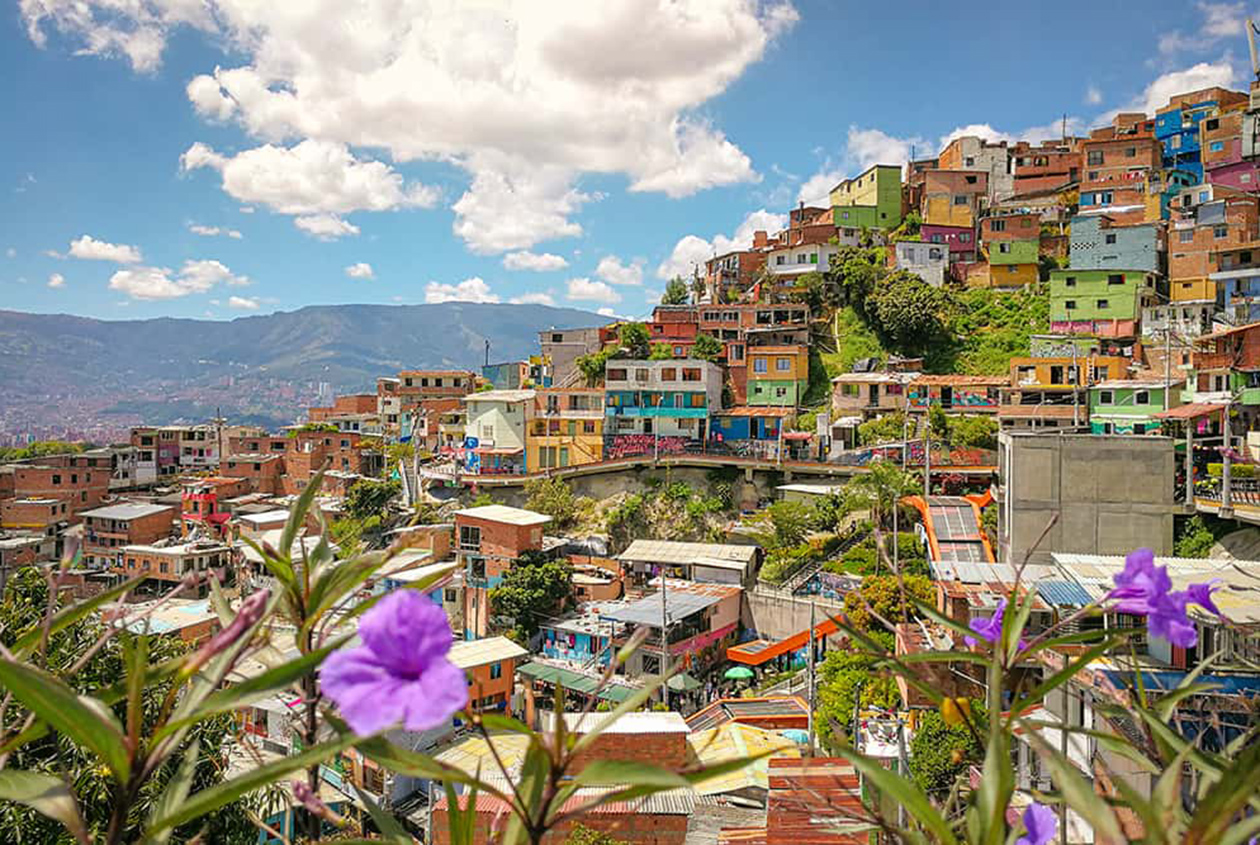
If there is one place that best embodies Medellín’s transformation, it is Comuna 13. Once one of the city’s most troubled areas, it has now become a favorite destination for visitors from around the world.
Upon entering the neighborhood, I was immediately captivated by the vibrant colors. Large murals covered the walls, and the streets were filled with music and art. Local youths performed street dances, while children ran and played in the plazas. The entire area was brimming with vitality.
I followed a local guide deeper into the neighborhood as they shared stories of its past and present. The murals were more than just art; they chronicled the memories and hopes of the residents. Standing on the observation deck and looking out into the distance, I suddenly understood why this place moves so many people: it is not merely a tourist attraction, but a genuine story of rebirth and transformation.
Greenery in the Valley: Parks and Public Spaces
To my surprise, Medellín boasts an abundance of high-quality public spaces. One that particularly impressed me was Parque Arví. After a cable car ride up into the mountains, the scenery shifted abruptly from urban landscape to forest. Towering trees, fresh air, and quiet walking trails offered a striking contrast to the city center.
I spent an afternoon hiking there. The sound of birdsong drifted constantly through the woods, and sunlight filtered through the leaves to the forest floor. There was something truly special about the seamless blend of nature and urban life—it is hard to imagine finding such a tranquil natural sanctuary just a short drive from a bustling city center.
This experience gave me a deeper understanding of why Medellín has been recognized as a city of innovation for years; it focuses not only on architecture and transportation but also on the relationship between people and nature.
Urban Vitality in Plazas and Cultural Spaces
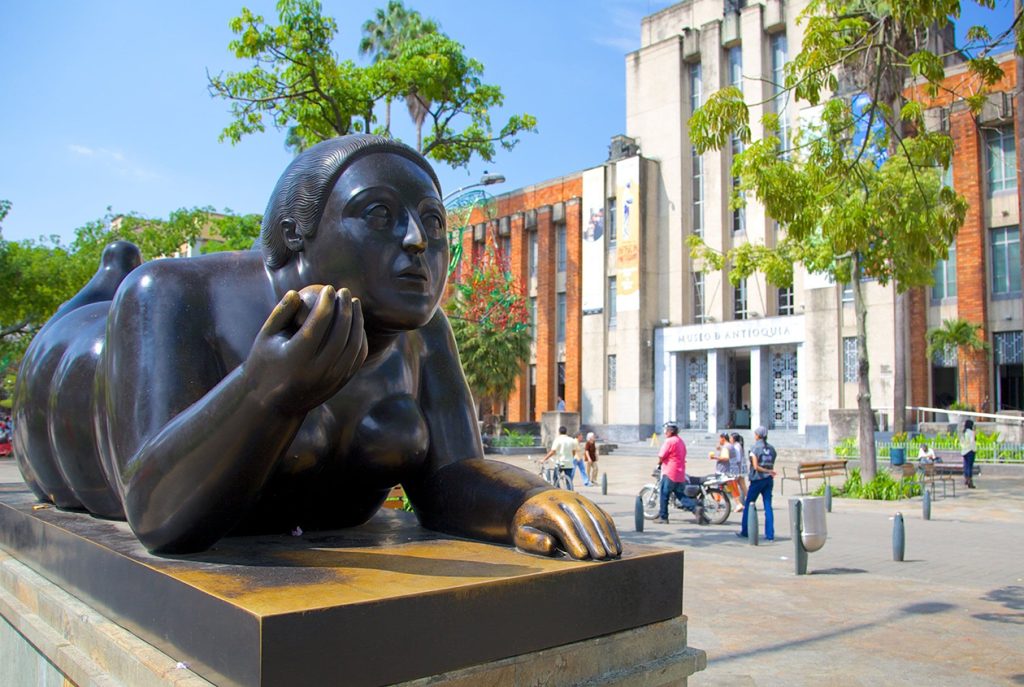
Beyond the natural landscapes, I also visited numerous cultural areas, the most iconic being Plaza Botero.
The plaza is filled with sculptures by Fernando Botero; his exaggerated, rounded figures of people and animals are instantly recognizable. Both tourists and locals alike stop to take photos with the sculptures. I spent a long time there, simply observing how people interacted with the art.
This integration of art directly into public space ensures that culture is not confined to museums but becomes a part of everyday urban life. Nearby, street performers added to the atmosphere, with the sounds of guitars and singing echoing across the plaza. The entire area exuded a sense of openness and freedom.
Medellín at Night: A Sea of Lights in the Valley
One evening, I made a point of visiting a high-altitude observation deck. As night fell, the city gradually lit up. Looking down from the hillside, the lights stretched endlessly along the valley—like a vast galaxy that had descended to earth.
A gentle breeze blew, carrying the faint, distant sounds of the city. In that moment, I understood why so many people fall in love with Medellín. It does not rely on a single attraction to draw visitors, as some tourist cities do.
Its true charm lies in the city’s upward-surging vitality. You can feel that the people here are actively creating the future—and that positive energy is contagious to everyone who visits.
A City in Constant Growth
As I left Medellín, what struck me most wasn’t the grandeur of any single attraction, but the spirit embodied by the city as a whole.
It boasts a pleasant climate, an innovative public transport system, artistic neighborhoods, and ever-improving public spaces. Above all, there is a palpable momentum of continuous growth and forward progress.
From gazing down at the valley via cable car to strolling through Comuna 13, and from the modern urban districts to the forest parks, every exploration deepened my understanding of the city.
Medellín is more than just the “City of Eternal Spring”; it is a city that is constantly being reborn and evolving. This immersive travel experience became one of the most unforgettable highlights of my journey through South America.