During my few days in Santiago, I came to realize that the experience of the city depends largely on “where you choose to pause.” Although the city faces the Andes Mountains, different hotels offer vastly different perspectives: some are closer to the historic center, others are nearer to modern business districts, and some seamlessly integrate the mountain scenery into the room itself.
These five hotels represent five distinct “ways of viewing Santiago.”
1.W Santiago: A Bold Opening with City Skylines and Design Flair
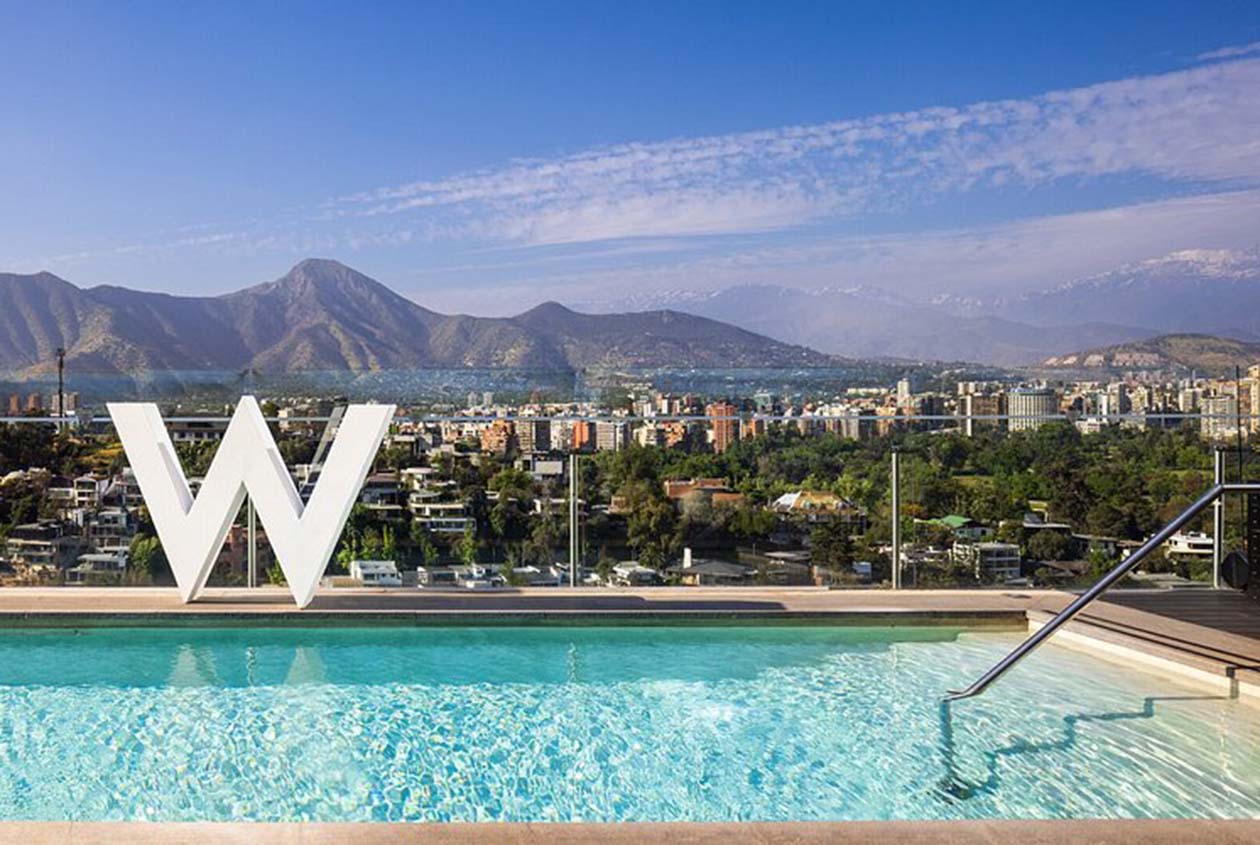
The first stop was the W Santiago. My initial impression was clear: this is not a traditional hotel, but rather a “statement of urban design.” The exterior is ultra-modern, and the lobby offers a striking sense of space; the lighting, materials, and music combine to create a distinctively urban atmosphere.
My room offered a great view, showcasing the sprawling density of Santiago, with the distant mountain range faintly visible on one side. The most striking experience came at night with the shifting lights: the city transitioned from brightness to layers of twinkling points, resembling a map gradually lighting up. Its defining characteristic isn’t quietude, but a strong sense of “urban energy.”
2.The Ritz-Carlton Santiago: Stability, Restraint, and Business Order
The second hotel was The Ritz-Carlton Santiago. A stark contrast to the W, this offered a thoroughly stable, business-oriented experience.
The lobby features a classic style with symmetrical proportions, and the service flows with a seasoned, polished rhythm—free from any unnecessary clamor. I was particularly impressed by the design of the elevators and corridors: they were incredibly quiet, with warm lighting that avoided being overly dramatic. The room layout was highly standardized—with clearly defined areas for the desk, bed, and seating—prioritizing pure functionality. The view from the window looked out over city blocks; while not a dramatic, sweeping vista, it felt very “real.”
The overall impression was one of total control and composure.
3.Mandarin Oriental Santiago: A Shift in Pace Amidst Gardens and Mountain Views
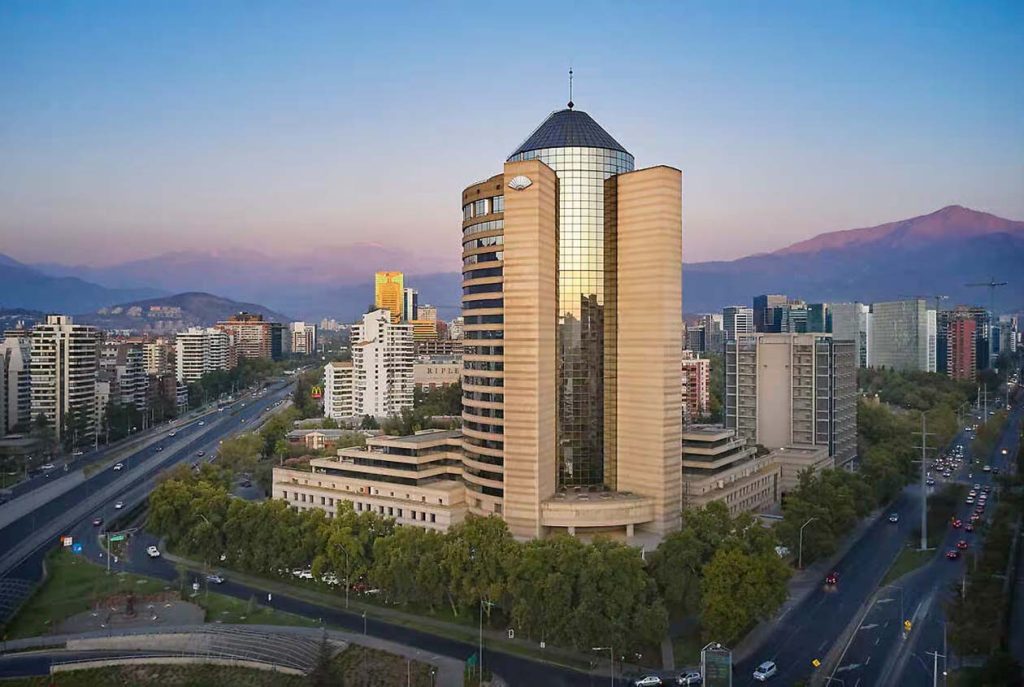
The third hotel was the Mandarin Oriental Santiago. The atmosphere here differed significantly from the pace of the city center.
Upon entering, one immediately notices the open spaces and garden design, where the transition between architecture and nature feels gentle and seamless. My room offered views of the pool area and the mountains in the distance.
The most distinct experience was the sense of “slowing down”: whether in the lobby or the restaurant, the design seemed intentionally crafted to lower the tempo. The breakfast area was spacious; it wasn’t crowded, and the atmosphere was quiet. Staying here, I felt as though the city’s pace had momentarily slowed down.
4.Hotel Plaza San Francisco: A reliable anchor in the traditional city center
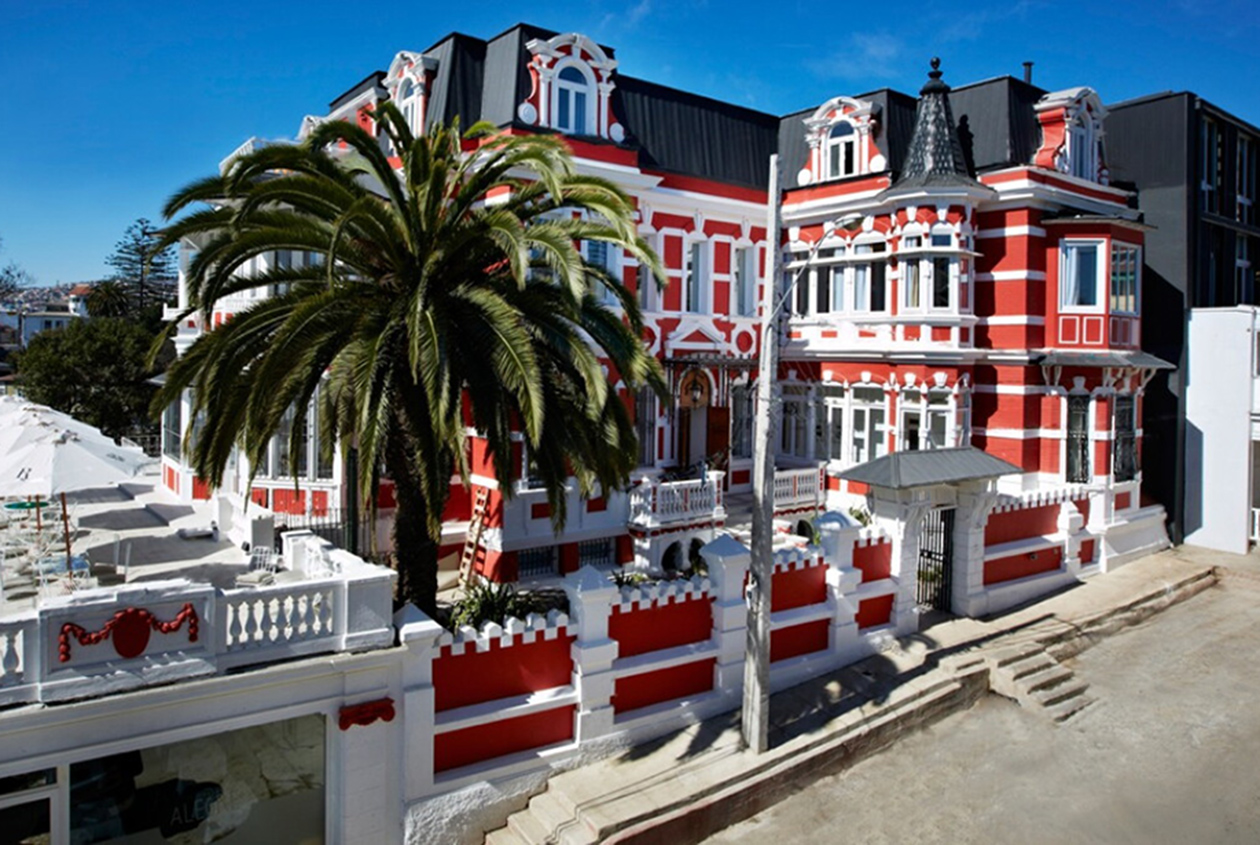
The fourth hotel is Hotel Plaza San Francisco. Located near the historic district, it boasts a distinctly traditional style.
The lobby features a classic hotel aesthetic—not overly opulent, but rather exuding a sense of maturity and stability. The room layouts are conventional yet consistently comfortable, with reliable beds, lighting, and climate control.
The breakfast area left a strong impression on me—it was very quiet and unhurried, yet far from desolate. It is conveniently located within walking distance of the Plaza de Armas, placing the city’s historic heart right nearby. It feels more like a “connecting point” than a destination hotel.
5.NOI Vitacura: A relaxed side of Santiago in a modern lifestyle district
The fifth hotel is NOI Vitacura. Situated in a more modern lifestyle district, the hotel has a noticeably more relaxed vibe.
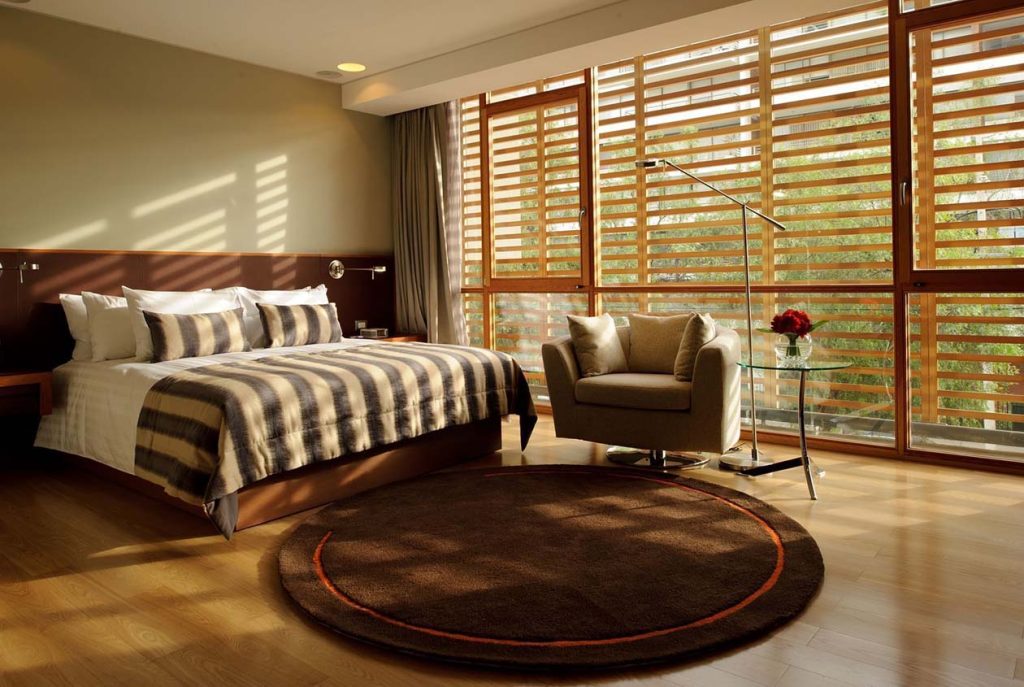
The lobby features a modern boutique design that allows plenty of natural light to flood the space. The rooms are minimalist, prioritizing comfort and functionality over visual spectacle.
What struck me most was the rooftop area, which offers sweeping views of the cityscape merging with the mountain skyline. At night, the city lights aren’t overwhelming, creating a soft, gentle atmosphere. It feels neither like a typical business hotel nor a resort, but rather like “part of the city’s lifestyle.”
The overall hotel experience in Santiago: Diverse ways to stay in the same city
After staying at these five hotels in Santiago, I began to notice a pattern: the city’s hotels don’t just “alter the urban experience”—they offer different angles from which to engage with the city.
- W Santiago: A strong sense of urban energy and design expression
- Ritz-Carlton: The reliable, standardized order of business travel
- Mandarin Oriental: A change of pace amidst gardens and mountain views
- Plaza San Francisco: A connecting point to the historic city center
- NOI Vitacura: A relaxed vibe in a modern lifestyle district
Each corresponds to a different layer of the city: the modern core, the business sector, a natural buffer, a historic node, and an extension of the lifestyle district.
The hotel itself is a way to understand Santiago
My stay in Santiago made me realize that this city is best understood not through “tourist attractions,” but through a “sense of place.”
Standing at the windows of various hotels, I beheld different structural layers of the same city—a tapestry where density, order, mountain vistas, history, and residential areas intertwine. In the end, what lingers in my memory is not any single hotel, but the silhouette of Santiago as collectively defined by these various places where I stayed.